
Diet, Nutrition & Weight Management
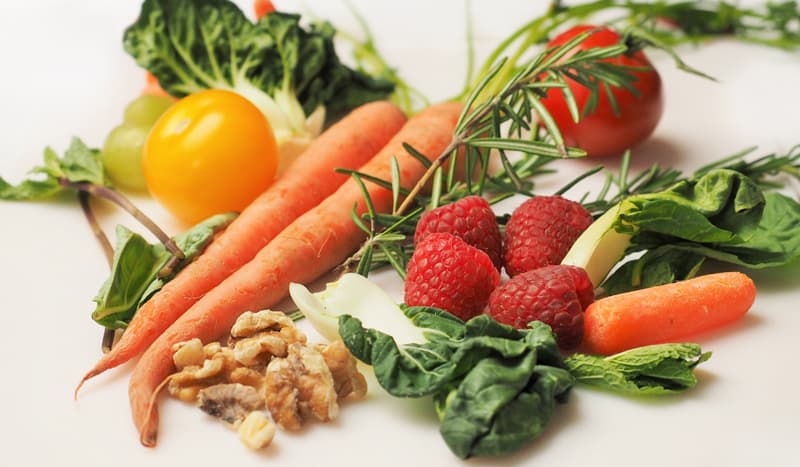
What we eat and the type of food we're choosing to eat has a huge effect on our body. As well as that our weight is goverened by our calorie intake so the fats, sugars and carbs we consume are a delicate balance for many.
There's a lot more to your food then meets the eye. And if you really want to be fit and healthy it helps if you understand what you are eating and the impact it can have on your body. Our guides can explain all about food, nutrients, what are 'superfoods' and why are they classified as such, how much food we should be eating, how to read food labels and manage our cholesterol.
So whether you want to be more healthy or want to know more about nutrition when you are working out or playing sport check out our informative guides and articles to get a more rounded view of how food can make a huge difference in your life and can help you to look younger and have a lot more energy.














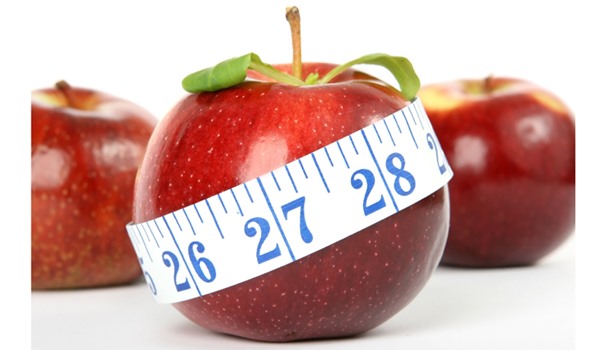
Calculate Ideal Body Weight










Useful Websites
- Gluten & Wheat Free | Newburn Bakehouse
Newburn Bakehouse bakers have a talent for creating 'free from' bread with unbeatable taste and texture, making gluten and wheat free living a real pleasure. - YorkTest
Food intolerance and allergy testing company with over 25 years experience, and offer the only food intolerance testing service endorsed by Allergy UK. - Online Cooking Schools
Find cooking training programs available online or in your area. - Newbridge Health Eating Disorder Clinic
Newbridge House specialises in providing effective treatment for young people with eating disorders including bulimia and anorexia. - Self Test Kits For Home Testing
From allergies, DNA, sexual health like Chalmydia, HIV or Sperm Count, through to COVID 19 / PCR tests, you can home test using a self test kit for privacy and speed. - Healthspan Supplements
Vitamins and supplement provider with prebiotics, probiotics, minerals, skin and hair care, high strength cannabidiol Oil (CBD) as well as active nutrition and more. - Add Your Website Here