
The New Car Tax Rules
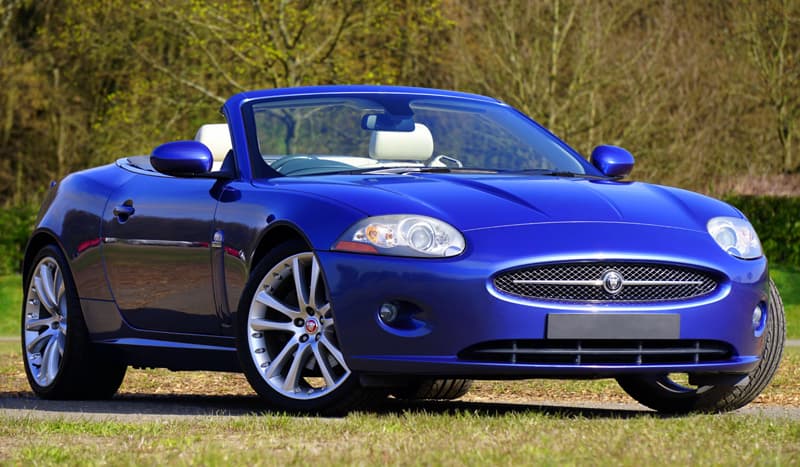
Do you know and understand the latest car tax rules? Still can't get over the loss of the little disc that was so simple to understand! Then you are not alone. Why not take a quick look at our car taxation guide below to new cars, old one, exempt ones and more.
The price of an annual car tax disc is now based on how much carbon dioxide (CO2) a car emits and what fuel it uses. The old system of car road tax, which was based only on engine size, was changed to encourage drivers out of gas-guzzling, high-emissions older cars and into newer, smaller-engined ones.
Fueling Debate
The Government hopes that the CO2-based system will encourage the purchase of more fuel-efficient vehicles and those emitting less carbon dioxide (CO2 output is proportionate to the amount of fuel burned), and also to get drivers to use more environmentally-friendly fuels.
How Is It Worked Out?
There are six CO2 grades.
No new cars on sale currently meet the criteria for the lowest Band A (emitting up to 100g/km) bar special-order electric models, but a number of small city cars, and larger hybrids such as the Honda Civic IMA and Prius, qualify for Band B (101-120g/km). Inside these six bands, there are additional penalties or incentives based on the type of fuel used: alternative fuels get a part-rebate, while diesel fuels are penalised for their increased particulate emissions.
Breakdown Of Rates
| Bands | CO2 rating (g/km) |
Diesel 12 month |
Petrol 12 month |
Alternative fuel 12 month |
| Band A | Up to 100 | £75 | £65 | £55 |
| Band B | 101-120 | £85 | £75 | £65 |
| Band C | 121-150 | £115 | £105 | £95 |
| Band D | 151-165 | £135 | £125 | £115 |
| Band E | 166-185 | £160 | £150 | £140 |
| Band F | Over 185 | £170 | £165 | £160 |
Older Cars
If your car was registered before 1st March 2001, then the Vehicle Excise Duty you have to pay is based on your engine size: £110 for 12 months on vehicles up to 1549cc and £165 for those over 1549cc
You Might Like
New Child Car Seat Rules
In March 2017 new rules come in relating to child car seats. What are they and how will they affect you?Are Tax Havens Fair?
The recent publication of the so called Paradise Papers raises the whole issue of tax havens and whether they are right or fair. Savings or instant access cash, just offshore.Why Is Council Tax Increasing?
Why do we still pay council tax, when many local authorities say they will be increasing the level of council tax every year for the foreseeable future? What does it cover?Motoring Finance For Your New Car
Read about motoring finance and see what basics options you have for car finance if you're in the market for a new car.Tax Credits, How To Claim, Renew Or Appeal
Read how for tax credits you can claim or appeal a decision or even renew your entitlement. Quick simple advice.
Useful Websites
- RAC - Breakdown Cover
Offering breakdown cover and car insurance as well as the latest travel information. - Rental Cars
A leading car hire comparison site working with Thrifty, Europcar, Avis, Hertz and SIXT for starters. Rent a car or van anywhere in the world and get a great price. - Bristol Street Used Cars
For the best new cars and second hand cars for sale - Book Luxury Car
With the newest luxury car rental fleet including sportscars, supercars and SUV's, our motto is "Don't follow your dreams. Drive them!" - Motors
If you are looking to buy a cheap used car, then www.motors.co.uk is the best place to start. Search our huge database of all makes and models now! - Used Cars Glasgow
Belmont autos is a family run used car dealership based in Glasgow with over 40 years or experience in the industry. They also provide used car finance/credit, MOT & servicing, click here for more! - Add Your Website Here